
If you’ve never felt stuck in a job you hated, consider yourself lucky!
If you’re like the rest of us who have been there or are currently struggling in that position, this quick read illustrates the ways your job could be linked to recurring sickness.
There are many ways that this association between work and health can form.
I’ve experienced it myself over the course of my highly stressful, performance-based sales position. There are different levels of stress, of course. There is the initial stress of starting a new job and feeling unequipped to handle the responsibilities as well as you feel you should, or perhaps not having the support and training you need during the learning process. That type of stress is likely to temper down as you gain confidence in your abilities.
There are, however, more prolonged and recurring types of stress that occur in many office environments.
Have you experienced any of these in your workplace?
Backstabbing?
Belittling?
Passive-aggressiveness?
Communication with your boss falling on deaf ears?
Associates who are less qualified getting promoted?
Toxic co-workers or management?
High turnover rates affecting your position and ability to do your job well?
These are just a few of the types of incidents that can eat at your morale as an employee, especially in positions that are high-stress in nature to begin with.
While we all know that there is no such thing as “fair” in the real world, it turns out that the concept of fairness is a big deal in the workplace.
According to a two-part study taking place from 1985-1990, described in WebMD, researchers surveyed over 6,000 employees. Those who perceived their work environment as being unjust were shown to be 30% more likely to develop coronary heart disease than those who didn’t. Coronary heart disease is a leading cause of death in the U.S.
Another contributor to the issue, Bruce Rabin, MD, Ph.D., says, “The workplace needs to feel meaningful. If you feel like you’re not respected, that your opinion isn’t meaningful, you’re at an increased risk of heart disease.”
This is huge.
Are you willing to put your health on the line with the potential ramifications being that severe?

When I read those statistics, I was shocked but relieved to know that I am already on the way to protecting my health through the actions that I can take, which I will outline for you below.
Coronary heart disease isn’t the only risk for those who are in chronically stressful jobs. Here are a few other symptoms that you might experience:
-
Extreme fatigue and/or anxiety.
- The “fight or flight” response that occurs when the body tries to manage stress can cause raised blood sugar levels, which are especially harmful to someone trying to control diabetes.
- Immediate and lasting higher cholesterol levels.
- Negative impacts on our behavior, such as our ability to make health-minded choices about our diet.
Joe Piscatella, president of the Institute for Fitness and Health, makes a great example:
“Chronic stress gets in the way of putting information that we know about health behaviors into action. When you’re under stress, M&M’s are for lunch.”
If this list isn’t enough to make you re-evaluate how you handle stressful times at work, I don’t know what else would, aside from maybe the fact that it is by far a complete list of stress-induced health issues that can occur.
Here are some simple solutions for chronic stressful work environments that will allow you to regain some control over your health and day-to-day experience of life:
- Find an Outlet
This can be anything that you enjoy doing. Whether it’s something you have done as a hobby previously and already know you excel at it or a new interest that you would feel good putting time into, having something that you do just for yourself can be a good distraction and source of accomplishment that has nothing to do with work.
- Consider a Job Change
Don’t make any rash decisions or quit your job without a financial plan lined up, but there is something freeing about considering the possibility of change. Give yourself the freedom to remember that very few things in life are permanent, and ultimately, you have the power to make a career change if you decide that’s what’s best for you. Ask yourself what your options are, what are you good at, and what are you qualified to do?
It can be empowering to do a little job searching and see what’s out there. Network with family and friends. Maybe they know of an opportunity that would be perfect for you or an out-of-the-box idea you would have never thought of. Even if it doesn’t lead to a solution right away, the process of taking some kind of action can be satisfying and give you a little better perspective.
- Look into Continued Education
If your answer to the question, “What am I qualified to do?” is a big “Umm…” followed by a line of question marks, you might want to consider going to school or getting a certification in the area you want to work.
It’s not easy to go back to school as an adult with a full-time job already, and it’s even more difficult if you have kids and a family dependent on you, but weigh the pros and cons.
What will it cost me to not have options?
What am I willing to sacrifice?
Like looking into other job opportunities, it doesn’t require any commitment to investigate online universities or night classes. Look into all the ways you COULD achieve a goal like this if you decided it was worth the investment into your quality of life.

- Self-Care
If you’re anything like me- with perfectionist tendencies and constantly chasing achievement in some form or another, self-care can be the hardest one of these to do for yourself.
Even for all of us Super Mommas who are on our game 99.9% of the time, it’s possible to reach your limit. Don’t wait until you hit an emotional meltdown status and begin unleashing your stress and unhappiness on everyone around you. Just like you’re a master at recognizing the emotional cues of everyone around you and making sure their needs are met, be conscious of this for yourself too.
You’re probably aware of a few things that you enjoy doing to relax and re-group, but if the popular ones like hot baths, manicures, or girls’ night out aren’t your idea of relaxing, or aren’t realistic, try these for starters:
- Give yourself some grace. It’s ok not to be ok.
- Take some time off work. Instead of making a rash decision to quit, take some time away to clear your head.
- Exercise even though you don’t want to. One of the last things we want to do when we’re anxious and exhausted is exercise, but it’s shown to actually boost your energy, and we all know we feel a little better after we’ve worked up a sweat. Small accomplishments count.
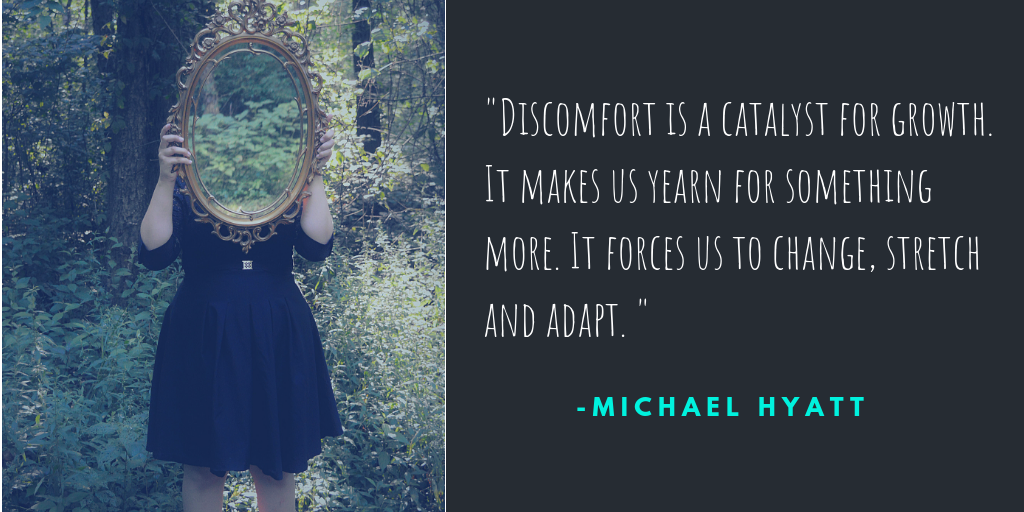
I’ll end with the quote below, which has spoken to me recently and can be directly applied to the stressful job experience. I hope it helps put things in perspective for you, too, and leaves you feeling a little more motivated than before.
~Dani
Discover more from High-Conflict Custody Skills
Subscribe to get the latest posts sent to your email.
 High-Conflict Custody Skills
One Comment Add yours